
Oregon Family Law and Divorce Law Blog
Tag: Property Division
Understanding Asset Division in Oregon Divorce Cases: Equitable Distribution Explained
Oregon's equitable distribution laws guide how courts divide marital assets during divorce. This article explores the legal principles and factors influencing asset division.
Read More
Understanding No-Fault Divorce in Oregon: A Comprehensive Guide
Oregon's no-fault divorce system simplifies the dissolution process by eliminating the need to prove fault. However, it still requires careful navigation of legal and emotional challenges.
Read MoreUnderstanding Oregon's Three Types of Spousal Support
Oregon law recognizes three distinct types of spousal support: transitional, compensatory, and spousal maintenance. Each serves a unique purpose in addressing financial disparities post-divorce.
Read More
Understanding Business Valuation in Oregon Divorce: Insights from Case Law
This article examines the complexities of business valuation during divorce proceedings in Oregon, focusing on the role of goodwill and non-compete covenants.
Read More
Navigating the Divorce Process in Oregon: What You Need to Know
The process of getting a divorce in Oregon can be legally complicated and emotionally challenging. To ensure a smooth process, it is important to understand the state’s residency requirements, options for an uncontested or contested divorce, and specifics about dividing marital assets.
Read More
Understanding No-Fault Divorce Grounds in Oregon
Explore the concept of no-fault divorce in Oregon, where irreconcilable differences suffice to dissolve a marriage. Learn about the legal framework and implications.
Read More
Essential Personal Documents for Oregon Divorce Proceedings
Navigating a divorce in Oregon requires careful preparation, including the exchange of specific personal documents. Understanding these requirements can streamline the process and ensure compliance with state laws.
Read MoreMistakes to Avoid During an Oregon Divorce
Divorce spawns big emotion, and even well-meaning parents make mistakes without thinking about the ramifications of their actions. To ensure a smooth process, we have compiled a list of common pitfalls to avoid doing during a divorce.
Read More
Understanding Property Division in Oregon Divorces: Equitable Distribution Explained
Oregon follows the equitable distribution model for property division in divorce, not community property. Learn how assets are divided fairly based on state laws.
Read More
Understanding Uncontested Divorce in Oregon: A Comprehensive Guide
Uncontested divorce in Oregon offers a streamlined and amicable resolution for couples ready to dissolve their marriage without litigation. This guide explores the nuances of uncontested divorce, highlighting its benefits and procedural requirements.
Read MoreRecent Posts
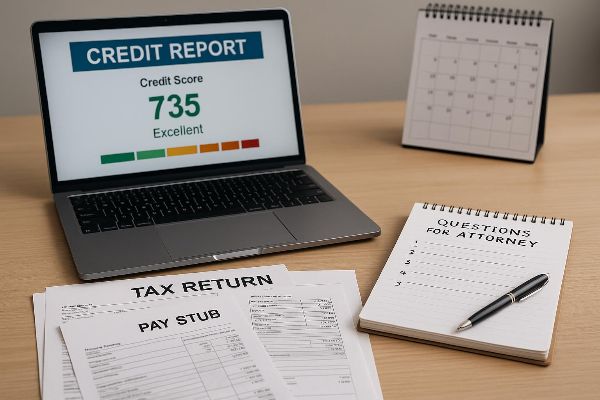
Essential Preparations Before Meeting Your Oregon Divorce Attorney
annuities
assets
auto accident claims
business interests

Navigating Divorce Settlements in Oregon During the COVID-19 Pandemic
best interests of children
child custody arrangements
child custody modification experts
court operations
Understanding Oregon's Three Types of Spousal Support
alimony
child custody
compensatory spousal support
dissolution process