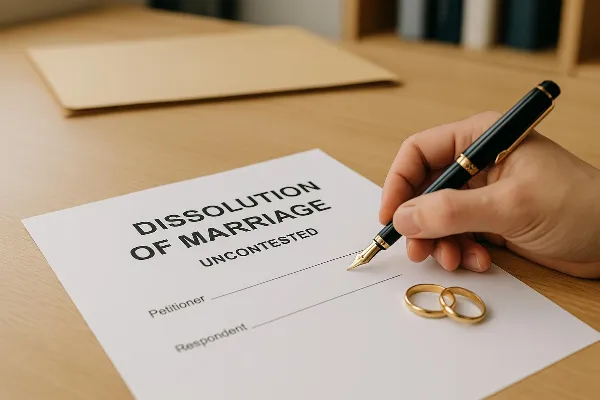
Divorce and family law cases can be some of the most emotionally charged and complex legal proceedings a person can go through. In these cases, evidence can play a crucial role in determining the outcome. One type of evidence that has become increasingly important in recent years is phone evidence. This can encompass everything from text messages and call logs to photos, videos, and voice recordings. In this blog post, we'll explore why phone evidence is so important in divorce and family law cases and what steps you can take to collect and preserve it.
Why is Phone Evidence Important?
Phone evidence can provide a wealth of information about a person's behavior and activities. In a divorce or family law case, this information can be used to prove or disprove allegations of infidelity, abuse, or other forms of misconduct. For example, text messages can provide a record of communication between two people, including the content of their conversations, the time and date of the messages, and any attachments that may have been sent. Call logs can show who a person was communicating with, how often, and for how long. Photos and videos can provide visual evidence of a person's behavior, and voice recordings can capture the tone and content of a conversation.
Phone evidence can also be used to support or refute claims about a person's financial or business dealings. For example, text messages or emails can show evidence of transactions or negotiations related to finances, property, or investments. Call logs can reveal the frequency of communication between a person and their financial advisors, business partners, or creditors. Photos and videos can show evidence of luxury items or trips, which can be relevant in cases involving alimony or division of property.
Collecting and Preserving Phone Evidence
If you are involved in a divorce or family law case, it's important to take steps to collect and preserve phone evidence. Here are a few tips to help you get started:
Make a backup of your phone data: The first step in collecting phone evidence is to make a backup of your phone data. This will ensure that you have a complete record of all your text messages, call logs, photos, videos, and other types of data. You can make a backup using iTunes or a similar program, or by using a cloud-based service like iCloud.
Print out or save copies of important documents: If you have important text messages, emails, or other types of phone evidence, it's important to print out or save copies of these documents. This will help ensure that the evidence is preserved in the event that your phone is lost, damaged, or deleted.
Be careful about deleting data: In a divorce or family law case, it's important to be careful about deleting data from your phone. Deleting data can be seen as evidence of tampering, which can hurt your credibility in court. If you need to delete data for privacy reasons, be sure to make a backup first.
Hire a professional: If you're not comfortable collecting and preserving phone evidence yourself, you may want to consider hiring a professional. A professional can help you collect, preserve, and analyze phone evidence in a way that is admissible in court.
The Bottom Line
Phone evidence can be a valuable tool in divorce and family law cases, but it's important to collect and preserve it in a way that is admissible in court. By taking the steps outlined above, you can help ensure that your phone evidence is available and reliable when you need it. If you're involved in a divorce or family law case, be sure to talk to an attorney about the best ways to collect and preserve phone evidence and how it can be used