Oregon’s Parenting Plan Requirement (ORS 107.102)
If your divorce involves children, Oregon law makes parenting plans mandatory. In any custody or parenting time arrangement – including uncontested divorces – the final judgment must include a parenting plan that outlines the minimum amount of time each parent will have with the children. Under ORS 107.102, the parenting plan can be general or detailed, but it must at least set forth the basic schedule of time the children spend with each parent and how decisions will be made.
- General Parenting Plan: A general plan provides a broad outline of custody and parenting time. It specifies who has custody and the minimum parenting time for the other parent. General plans are usually short and flexible – they ensure each parent gets a baseline amount of time, but they leave some details to be worked out informally between parents.
- Detailed Parenting Plan: A detailed plan is much more specific and anticipates day-to-day and special-event scheduling. Oregon’s statute suggests including provisions for the residential schedule, holidays and vacations, weekends and weekdays, decision-making authority, information sharing, moving (relocation) procedures, telephone/virtual contact, transportation arrangements, and how to handle future disputes. Essentially, a detailed plan tries to address all the scenarios so parents have a clear roadmap.
For uncontested divorces, many parents opt for a detailed plan to prevent confusion or conflict later. Since both parties agree on all terms, it’s an opportunity to “get it right the first time” by spelling out expectations in the judgment.
Crafting a Practical Parenting Plan
Think about your children’s daily lives and future needs. A solid parenting plan should cover regular schedules plus common special situations:
- Regular Parenting Time Schedule: Define where the children live on school days and weekends. A common structure is one parent having the kids on alternating weekends (e.g., Friday to Sunday) and perhaps a mid-week evening visit or overnight. In a 50/50 shared schedule, parents might alternate weeks or split the week (for example, one parent Mondays and Tuesdays, the other Wednesdays and Thursdays, alternating weekends).
- Holidays and Vacations: It’s wise to specify who has the children on major holidays (e.g., Thanksgiving, Christmas, birthdays) and how school breaks and summer vacation are divided. Many plans alternate holidays each year or split the day (one parent gets Thanksgiving Day, the other gets the day after, etc.). Clarity here prevents misunderstandings when those times come.
- Travel and Relocation: Include clauses about travel (like requiring notice and consent for out-of-state or international travel) and what happens if a parent wants to move far away. Oregon parenting plans often have a provision that if a parent moves more than a certain distance, the plan may need to be updated.
- Communication and Decision-Making: Even in an uncontested divorce, decide how major decisions about the children will be made (jointly or by one parent after consultation). Specify that both parents have access to school and medical records. Outline how you will communicate about the kids (for example, via a shared journal, email, or a co-parenting app).
- Exchange Details: Detail the logistics of parenting time exchanges – where and when will pick-ups and drop-offs occur? For instance, “Parents will exchange the children at 6:00 PM on Sundays at the neutral location of the child’s school parking lot” or similar. Clear exchange terms can reduce friction.
- First Right of Refusal: Many plans include a “right of first refusal” clause, meaning if the parent who has the children during a given period cannot care for them (due to work, travel, etc.), that parent will first offer the other parent the opportunity to watch the kids before seeking a babysitter or third party.
- Dispute Resolution: Even with a detailed plan, disagreements or life changes can happen. Consider adding a clause that if a dispute arises about the plan, parents will attempt mediation before returning to court. This sets an expectation for resolving issues amicably.
Every family is unique, so tailor your plan to what works best for your children’s ages, your work schedules, and other important factors. Keep the language unambiguous – if someone unfamiliar with your family read it, they should understand the schedule and rules.
Parenting Plan Guides and Templates
You don’t have to start from scratch. The Oregon Judicial Department offers excellent resources to help you draft a parenting plan:
- Basic Parenting Plan Guide: This OJD guide (and the accompanying Parenting Plan Worksheet) walks parents through all the considerations for creating a plan. It includes questions to help you decide what arrangements suit your family.
- Safety-Focused Parenting Plan Guide: If there are safety concerns (such as domestic violence, substance abuse, etc.), the OJD provides a separate guide with provisions to protect children and supervised parenting time options.
- Sample Parenting Plan Templates: The OJD website provides sample plans, including a standard Local Parenting Plan (for parents living near each other) and a Long-Distance Parenting Plan. These templates can be a helpful starting point – you can modify them to fit your situation. They cover typical schedules and provisions that Oregon courts expect to see.
- Parenting Plan Forms: There is also a blank Parenting Plan Form (in PDF or Word format) available, which includes checkboxes and fill-in sections. This form can be filled out online or by hand. It prompts you to cover all required topics.
Using these official guides and templates ensures your plan meets Oregon’s requirements and includes the necessary details. Judges in uncontested cases will typically approve a parenting plan that both parents have agreed to, as long as it appears to be in the children’s best interests and meets the minimum standards of ORS 107.102.
Getting it Right the First Time
In an uncontested divorce, you have the advantage of cooperation – so take the time to craft a parenting plan that is thorough and works well. Reaching a clear agreement now can save you from frustration and court trips later.
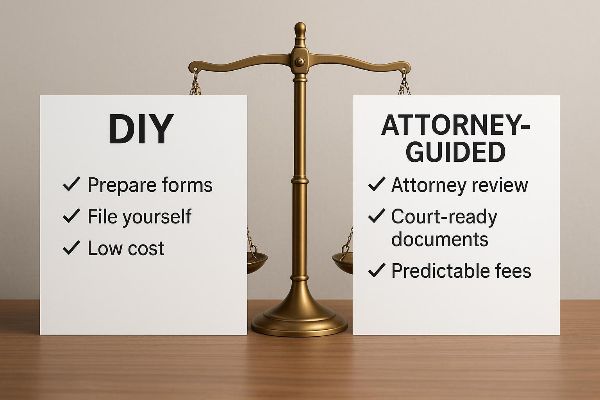
It may be helpful to have an attorney review your parenting plan, even if you’ve used a template. Small details (like how parents will share tax credits, or handle transportation costs) can be easily overlooked by non-lawyers. Services like the Pacific Family Law Firm’s uncontested divorce package include assistance with drafting and reviewing parenting plans to ensure they’re complete. Likewise, if you’re using an online divorce platform such as Unlink Legal, make sure to utilize their tools or attorney support to customize your parenting plan.
Remember, the goal of a parenting plan is to provide stability and clarity for your children despite the changes in family structure. By being detailed and proactive now, you and your co-parent are setting yourselves – and your kids – up for a smoother future.