
What is Oregon divorce mediation?
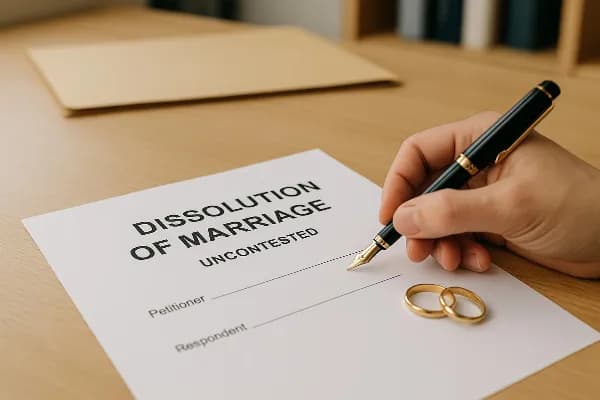
When going through a divorce, tensions are already high. Emotions are high; feelings are hurt. The last thing that helps this circumstance is litigation, where the parties are forced to take positional roles that are adverse to each other, with a judge deciding on " who is right. " By contrast, mediation is about building agreements and consensus. Rather than having a judge tell you the decision, a skilled Oregon mediator will help guide the parties to agree on their own. For couples going through a divorce, this is often an excellent way to reduce the level of conflict and create a resolution that works for the family. While certainly not free, mediation can also be an excellent investment if it cuts a lengthy and far more costly litigation cycle of trial preparation and trial. Further, the reduction of tension and faster resolution, if successful, can have many longer-term benefits for families with children. By improving the ability to communicate at seem level, it may foster an environment that parents can work on other conflicts in the future to resolve issues involving the children. Every county in Oregon is required to offer some divorce mediation to litigants. These mediation processes are connected to the court process. Still, they are outside the routine litigation that occurs within the court process itself. All mediation requirements may be satisfied by utilizing a private mediator independently hired by the parties.
How does Oregon divorce mediation work?
In the Portland, Oregon metropolitan area, each of the three counties has its own mediation services required during a divorce:
- Multnomah County Divorce Mediation (opens in a new tab): Under Multnomah County Supplementary Local Rule 8.031(1): In any domestic relations case, all parties are required to participate in some form of appropriate dispute resolution, including mediation, arbitration, judicial settlement conference, or a neutral-assisted settlement conference…
- Clackamas County Divorce Mediation (opens in a new tab): Divorce mediation is voluntary
- Washington County Divorce Mediation (opens in a new tab): Washington county Supplementary Local Rule 12.011 require: Mandatory Mediation: Any action filed in the court involving a controversy over custody or parenting time of minor children shall be subject to mediation
- Outside the trip-county metropolitan area, each county has it’s own requirements which can be evaluated in the county supplementary local rules (opens in a new tab).
Mediation vs. Arbitration - What's the Difference?
Mediation and arbitration are both alternative dispute resolution methods ( " ADR " ) but are very different processes. Arbitration is more like a less formal trial and does not take place in a courtroom. In arbitration, an " arbitrator " fills the role of a judge in a courtroom and makes decisions about the case. By comparison, mediation is a process where a mediator facilitates negotiations and helps bring about agreement on disputed issues. Unlike an arbitrator, a mediator does not have any decision making authority in the case. While a good mediator can facilitate an agreement, they cannot force a resolution.
Why mediate before or after a divorce?
Minimizing conflict both during and after a divorce should be essential for parties, particularly those with children. Mediation provides a useful tool for resolving disputes without the need to enter a public forum (a courtroom) and inflame tensions by leveling allegations at each other. Mediation allows the parties to take part in the development and agreement of their resolution. This lowing of strains can have long-term benefits for the parties' emotional well-being and foster a better co-parenting relationship after the divorce process is complete. Similarly, or utilizing mediation after the divorce process is complete before returning to court for later disputes, the parties may continue to resolve future issues without costly or hurtful litigation.
Mediation For Conflict Resolution After Divorce
Conflict reduction during and after divorce Minimizing conflict is a primary benefit of mediation during a divorce. The ability to do this can not only make the divorce itself less complicated, but it can set up a more positive atmosphere for after the divorce. For people who must co-parent after the divorce, this can be highly beneficial and in children's best interests.
Use this article as general information to understand the issue, preserve useful records, and identify the next questions to ask an attorney about your own facts.