
Blog

Understanding Postnuptial Agreements in Oregon: A Comprehensive Guide

Postnuptial agreements offer married couples a way to address financial and property concerns during marriage. While Oregon lacks specific statutes for postnups, they are evaluated under general contract principles.

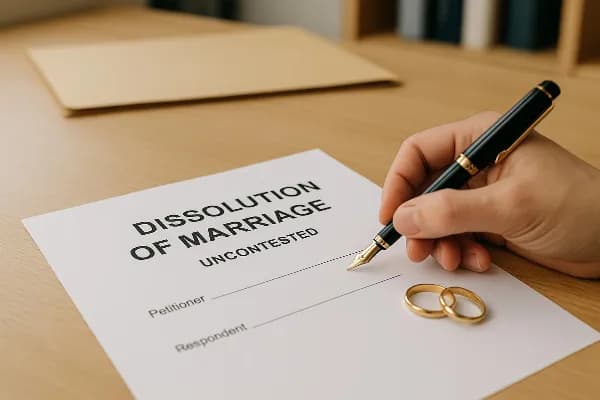
A close-up image of two hands signing a legal document on a wooden desk. One hand holds a pen poised over the paper, while the other rests beside it, suggesting collaboration and agreement. A pair of reading glasses and a cup of coffee are visible in the

Oregon family law context

Use this article as general information to understand the issue, preserve useful records, and identify the next questions to ask an attorney about your own facts.


Published June 16, 2025

What Are Postnuptial Agreements?

When couples marry, they often envision a lifelong partnership. However, life’s unpredictable nature sometimes necessitates formal agreements to manage changes during marriage. In Oregon, while many opt for prenuptial agreements before tying the knot, others may find themselves considering a postnuptial agreement after marriage.

The Role of Postnuptial Agreements

A postnuptial agreement is essentially a contract entered into by spouses after their wedding. It serves to outline and resolve various issues that might arise during the course of the marriage or in the event of divorce or death. Commonly addressed topics include:

  • Designation of Separate and Marital Property: Clearly defining what belongs to each spouse individually versus jointly can prevent disputes later.
  • Division of Debts and Liabilities: Establishing responsibility for debts can safeguard individual credit scores.
  • Spousal Support Terms: Outlining potential spousal support arrangements can provide financial clarity.
  • Provisions for Legal Separation or Death: Ensuring that terms are set for potential separation or one spouse's passing offers peace of mind.

Legal Framework in Oregon

Unlike prenuptial agreements governed by specific statutes, Oregon does not have laws explicitly addressing postnuptial agreements. Instead, these contracts are subject to general contract law principles. According to Oregon courts, key considerations include:

  • Capacity to Contract: Each party must be legally capable—free from impairments such as minor status or mental incapacity—to enter into an agreement.
  • Consent Without Coercion: The agreement must be entered voluntarily without any form of fraud, duress, or undue influence.
  • Fairness and Equity: Contracts should not be unconscionable or manifestly unfair due to unequal bargaining power.

Practical Considerations for Couples

For those contemplating a postnuptial agreement in Oregon, it's crucial first to ensure both parties fully understand their rights and obligations under such an arrangement. Transparency about financial matters is essential. Additionally, seeking independent legal advice can help each spouse make informed decisions free from pressure.

Why Consult an Attorney?

Given the complexities involved with creating enforceable postnuptial agreements in Oregon—and considering that state laws do not specifically govern them—consulting with an experienced family law attorney is advisable. At Pacific Family Law Firm, our team is well-equipped to guide you through this process with expertise tailored to your unique situation.

Clear advice before the process gets louder

Family transitions can bring court deadlines, financial uncertainty, parenting questions, and strong emotions at the same time. The first job is to steady the situation, understand the facts, and identify the legal options that fit your family.

Schedule a Consultation

Client perspective

I have known Adam on both a professional and personal level for years and trust his judgment and expertise completely. I often recommend him to clients and would not hesitate to recommend him to a friend in need...

Jacob Braunstein, Attorney

I Trust [Adam'S] Judgment And Expertise Completely

Past results do not guarantee a similar outcome.

Representative result

Case outcomes are shared only when they can be presented accurately and with the right context.

Information submitted through this site does not create an attorney-client relationship. Representation is confirmed only in writing.

Related reading

  • DIY vs. Attorney‑Guided Uncontested Divorce in Oregon: Cost, Risks & When to Get Help

    Thinking about a do‑it‑yourself uncontested divorce in Oregon? This guide compares DIY and attorney‑guided options, highlights real cost drivers and risks, and shows when a brief attorney review can help prevent costly mistakes.

    Learn more
  • Uncontested Divorce in Oregon: The Complete 2025-2026 Guide

    Uncontested divorces provide Oregon couples with a quicker, more cost-effective way to end their marriage peacefully. This comprehensive 2025 guide outlines the main requirements, steps, timelines, and costs involved in an uncon affordable way tested divorce in Oregon. Learn how to navigate the process smoothly and find resources to help you complete your divorce confidently.

    Learn more
  • Uncontested Summary Dissolution in Oregon: Do You Qualify for the Simplest Divorce?

    Oregon’s summary dissolution is the fastest and simplest divorce option for those who qualify. We explain the strict ORS 107.485 criteria – from no kids and a short marriage to limited debts, and how they differ from a standard uncontested divorce. Learn if you meet the requirements and what forms to file for this streamlined process.

    Learn more

Facing a family change?

Talk through the next step